
Culture
Culture

What it is: The head temple of the Jōdo-shū Seizan Zenrin-ji branch, tucked into the wooded hillside just south of the Philosopher’s Path. It’s famed for autumn foliage and the unique Mikaeri Amida—a statue of Amida Buddha glancing over his shoulder—plus a hillside tahōtō pagoda with lovely views.
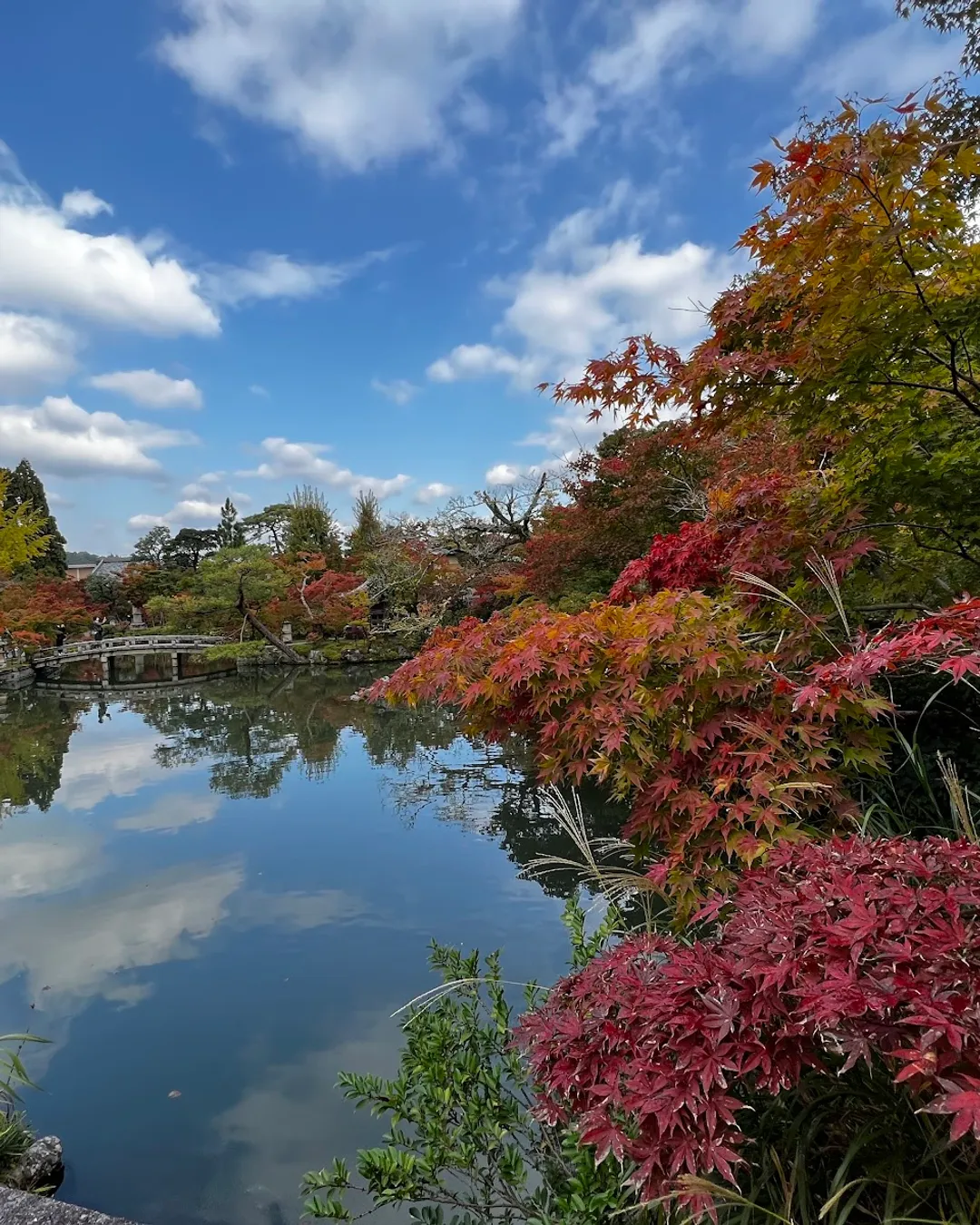
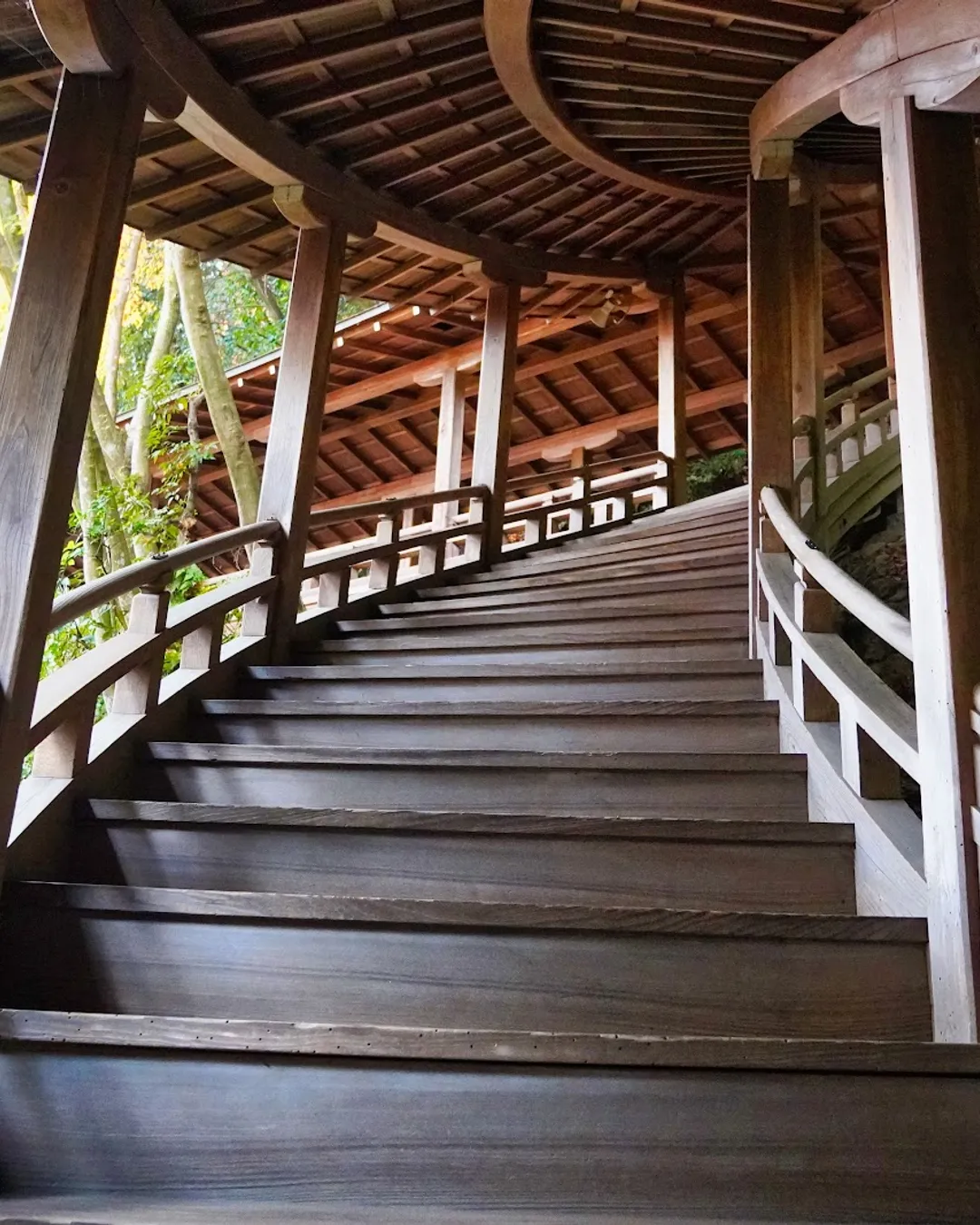
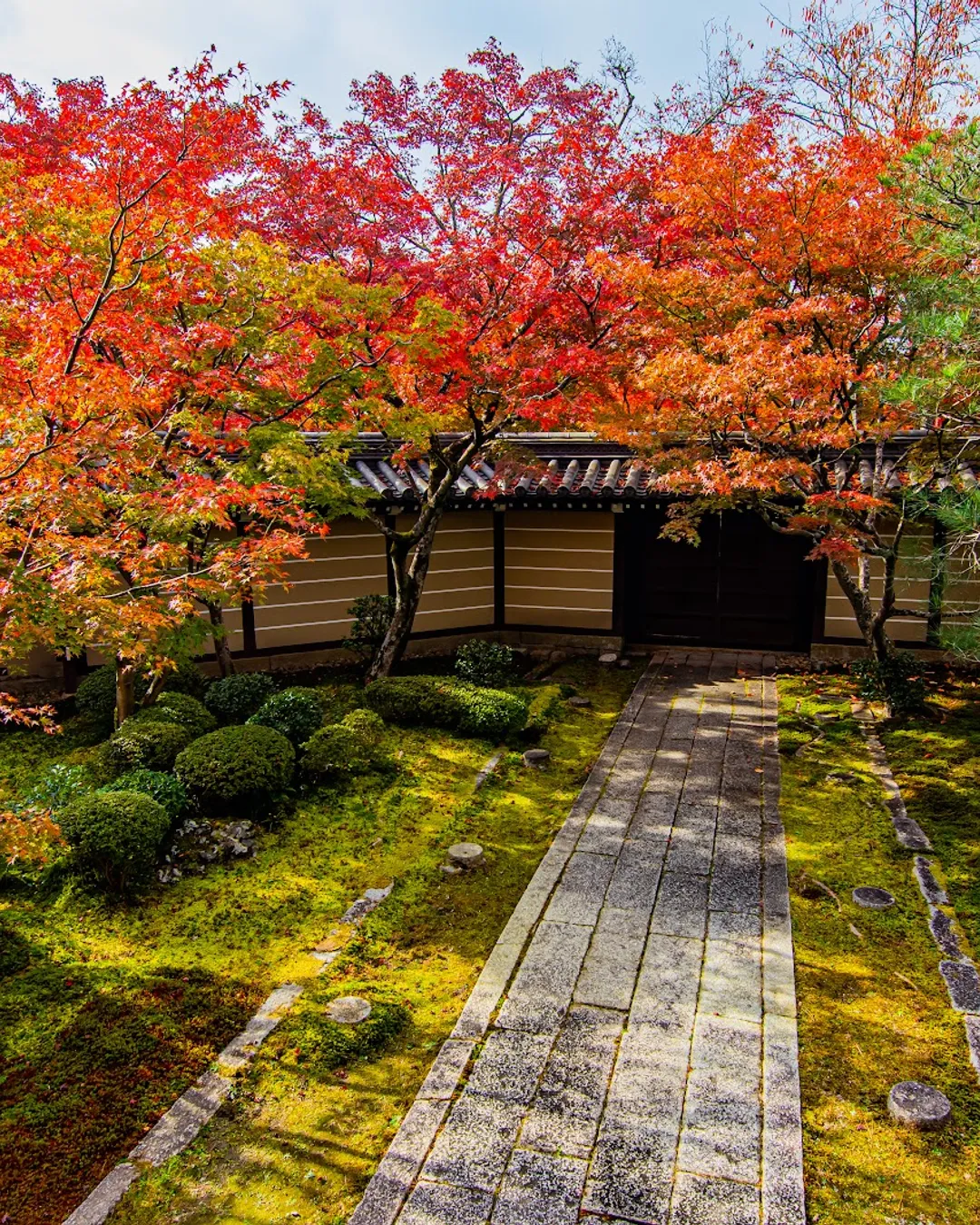
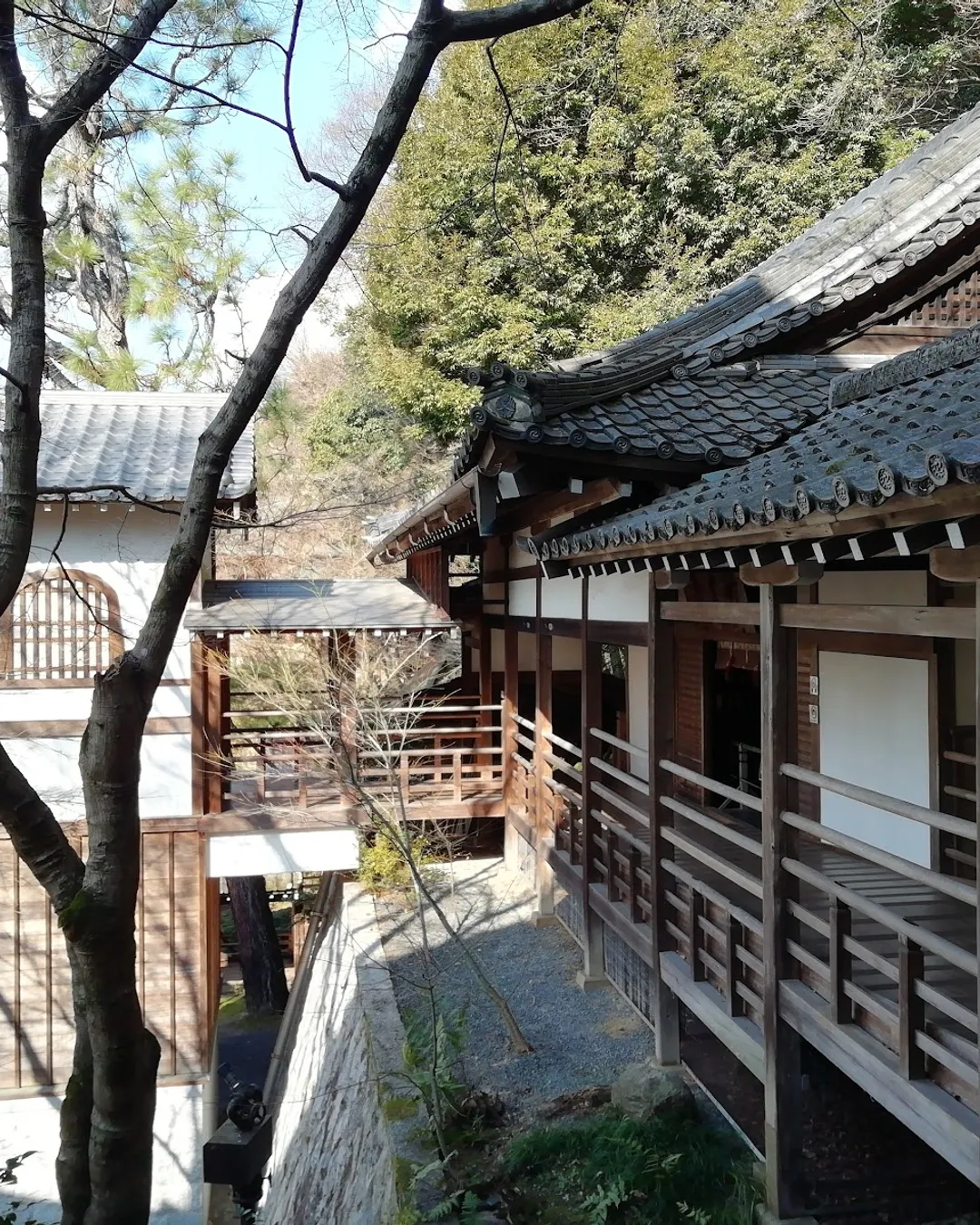
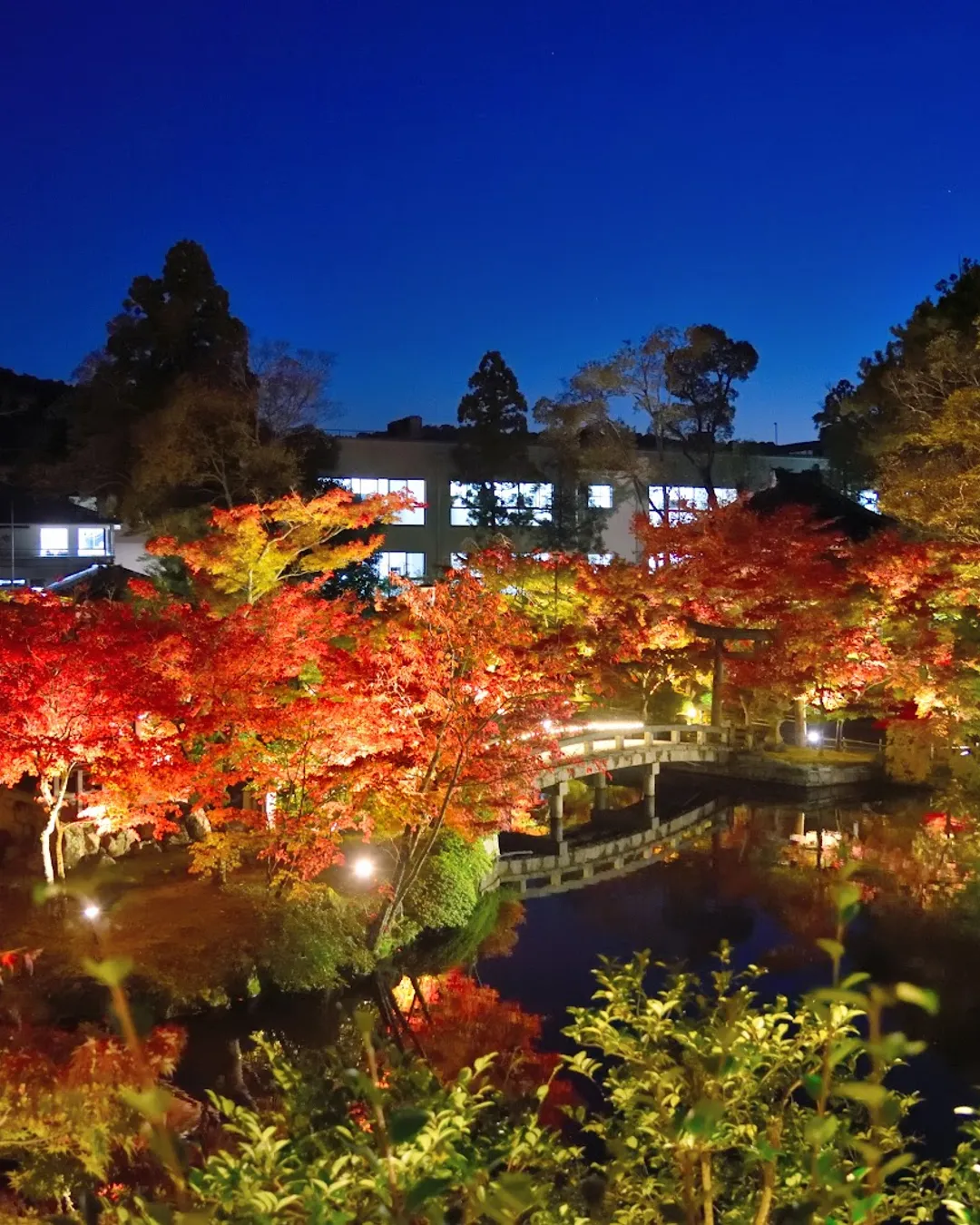
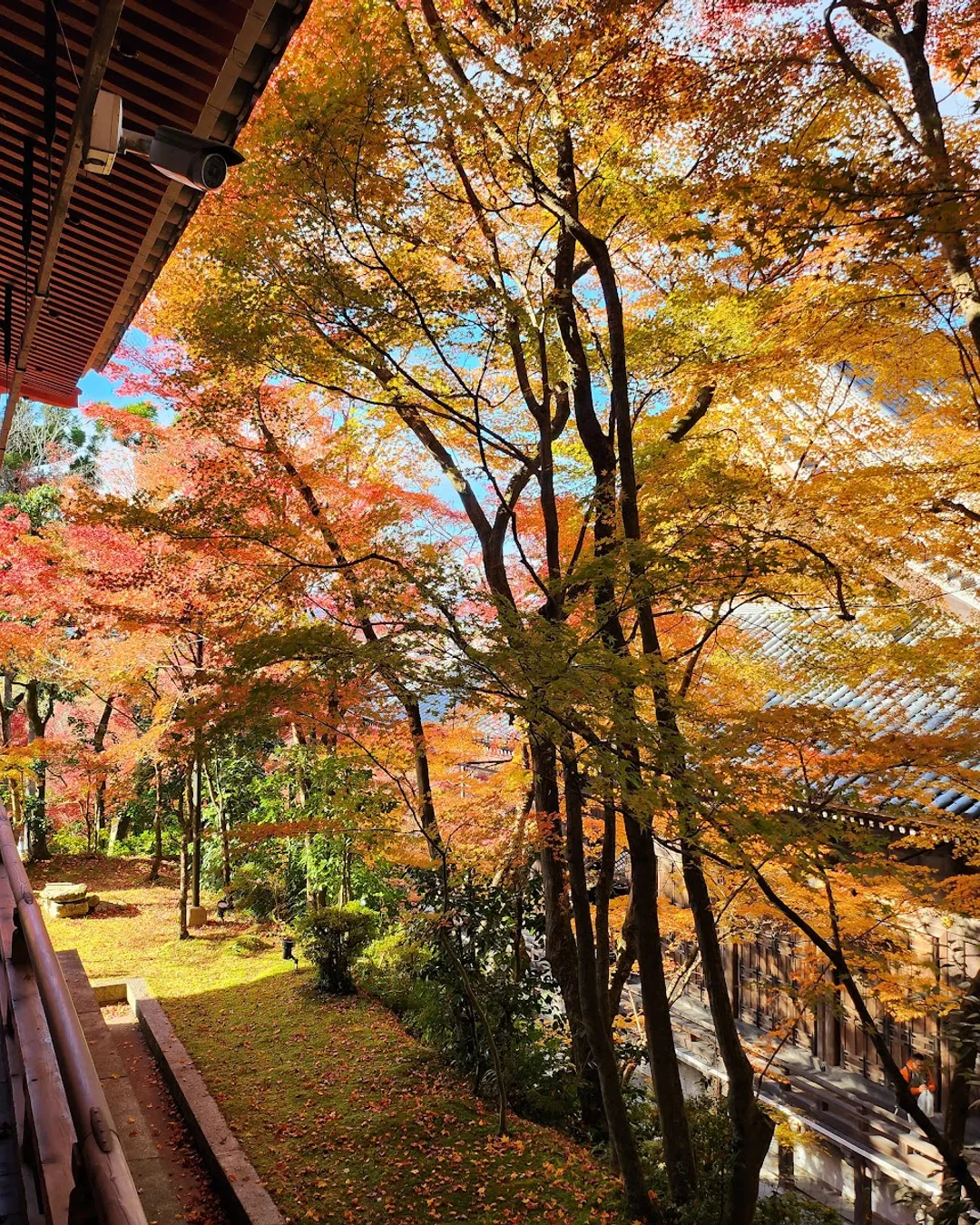
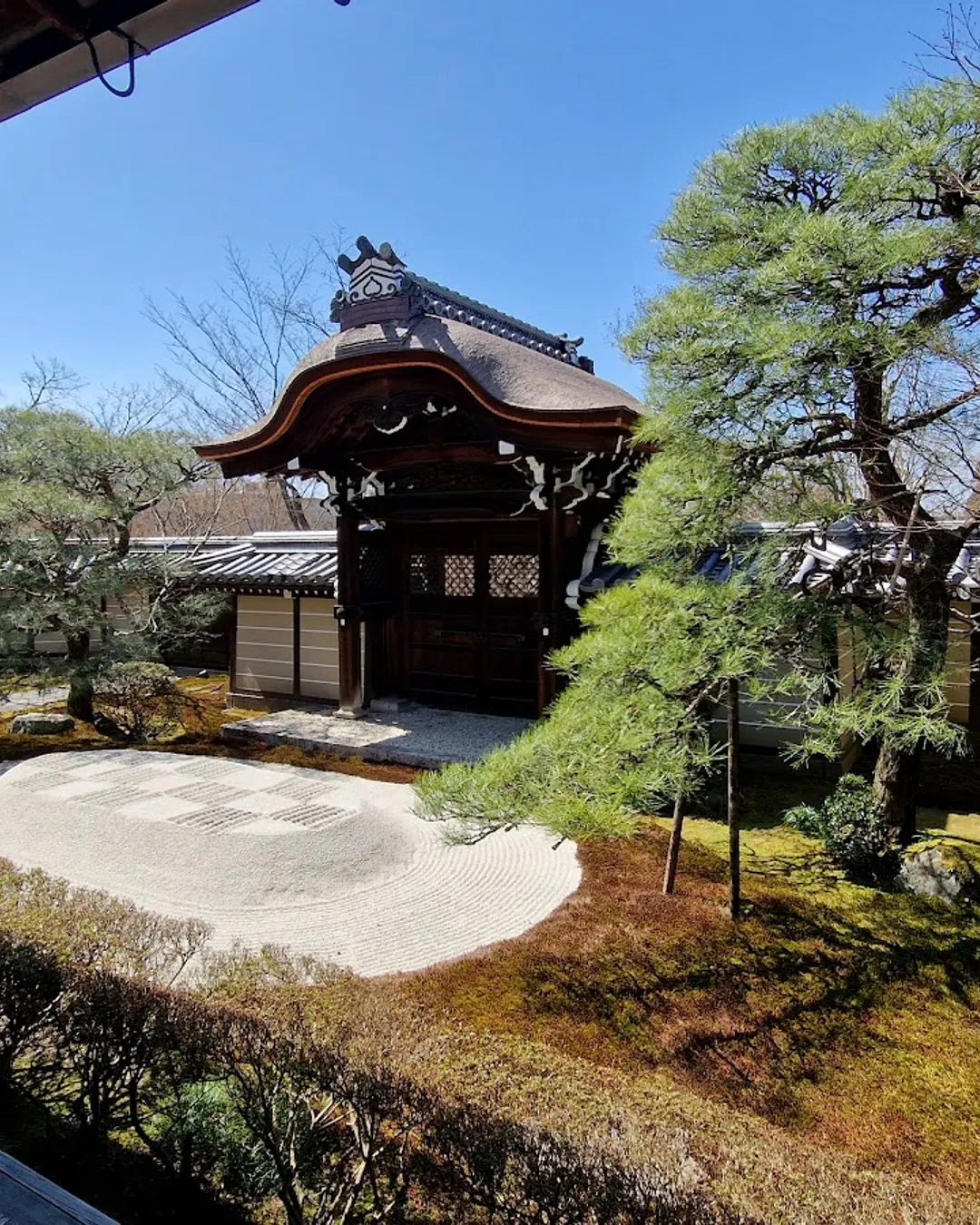
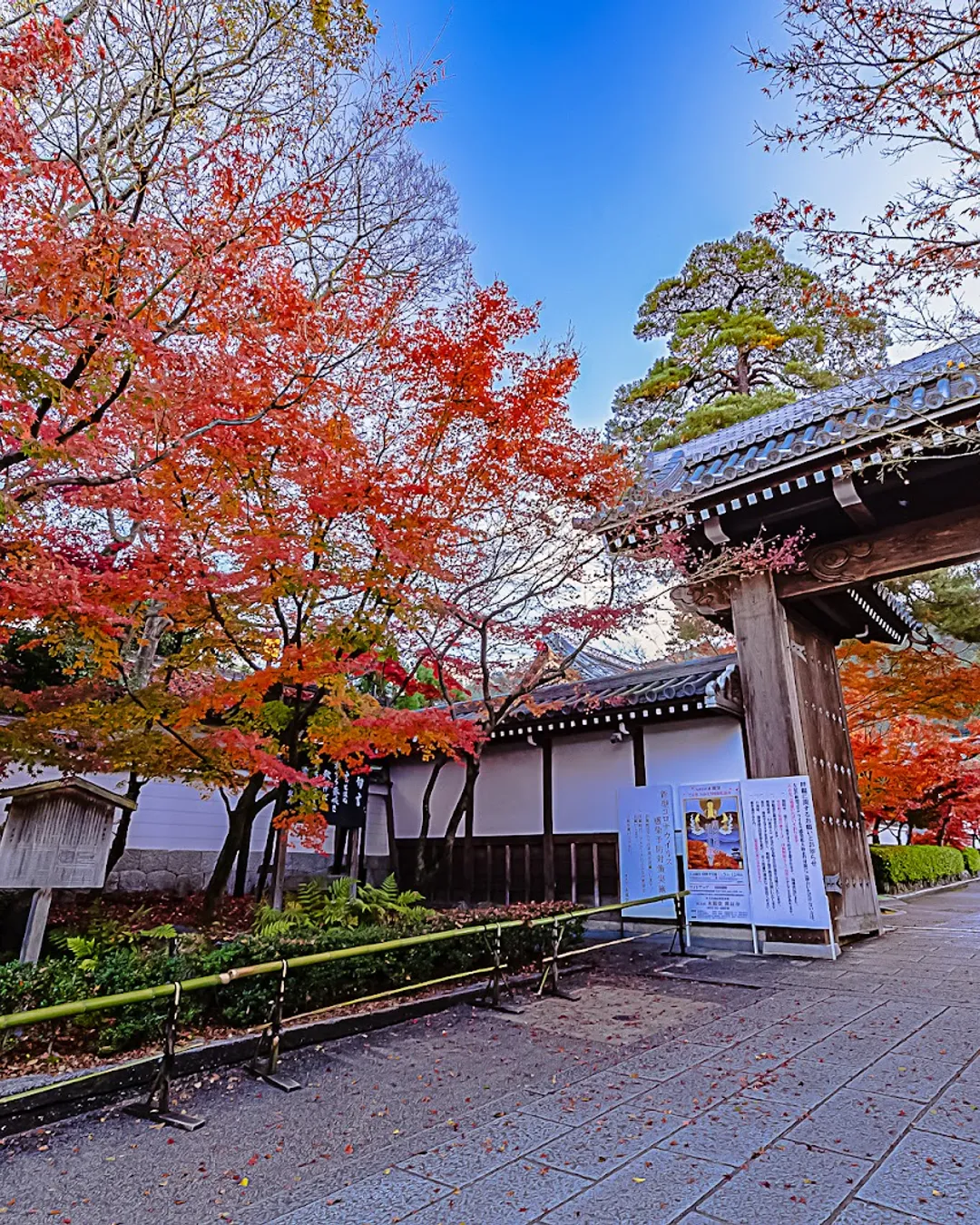
You step through the gate and the city noise dissolves into water and wood. A pond—Garyū-chi—holds reflections of vermilion bridges and maples, and wooden corridors stitch together halls like a boardwalk through color. Inside the Amida-dō, the celebrated Mikaeri Amida looks back over his shoulder; even if you don’t know the story, the posture feels startlingly alive, as if the Buddha has just turned to acknowledge you. The route leads on through bright eaves, screen paintings, and small gardens until stairs climb into quiet cedar—keep going and the tahōtō pagoda appears, a compact jewel with a balcony view over rooftops to the Higashiyama hills. In mid–late November, the precinct glows—crimson, amber, and gold by day; in the evening, special illumination turns the pond and bridges into a lantern-lit theater. Off-peak seasons are gentler: spring greens lace the water, summer is cicadas and shade, and winter trims the scene to clean lines and temple bells.
Eikan-dō blends intimate moments with sweeping scenes better than almost anywhere in Kyoto. One minute you’re nose-to-nose with a centuries-old statue that breaks the usual forward gaze; the next, you’re on a high balcony watching the whole temple flow around a pond like a painted scroll. It also anchors the southern end of the Philosopher’s Path, so you can fold it into a beautiful half day with Nanzen-ji and the canal. Come for peak foliage if you can, but don’t worry if you miss it—the layout, the corridors, and that backward-looking Amida give the place a distinct character in any season, and the climb to the pagoda rewards even a quick visit with air and perspective.
Where: Southern Higashiyama, a short walk north of Nanzen-ji and just off the Philosopher’s Path
Time needed: 60–90 minutes (add 20–30 for the pagoda climb and photo pauses)
Admission: Paid (separate fees may apply for seasonal night illuminations)
Hours: Standard daytime opening; special evening illuminations in autumn
Season notes: Peak autumn color usually mid–late November; spring greens are lovely; winter is quiet and crisp
Access: Keage Station (Tōzai Line) ~15–20 min on foot; buses to Nanzen-ji/Eikan-dō; easy stroll from the Philosopher’s Path
Route first, photos later: walk the whole loop once, then circle back for your favorite spots.
Mind the rules: photography is restricted in some interiors—watch the signs; shoes off in certain halls.
Stairs & soles: there are hills and steps to the pagoda—wear good grip, especially after rain.
Crowd-smart timing: arrive at opening or late afternoon; for autumn illumination, enter on the early side of the session.
Perfect pairing: link Eikan-dō → Nanzen-ji → Keage Incline/Okazaki (museums, Heian Shrine), or head north along the canal toward Ginkaku-ji.
Bottom line: a backward-looking Buddha, a pond that doubles the color, and a pagoda with air and views—Eikan-dōdistills Higashiyama into one graceful circuit. Start here or finish here, but give it an unhurried hour and let that glance follow you down the path. 🍁