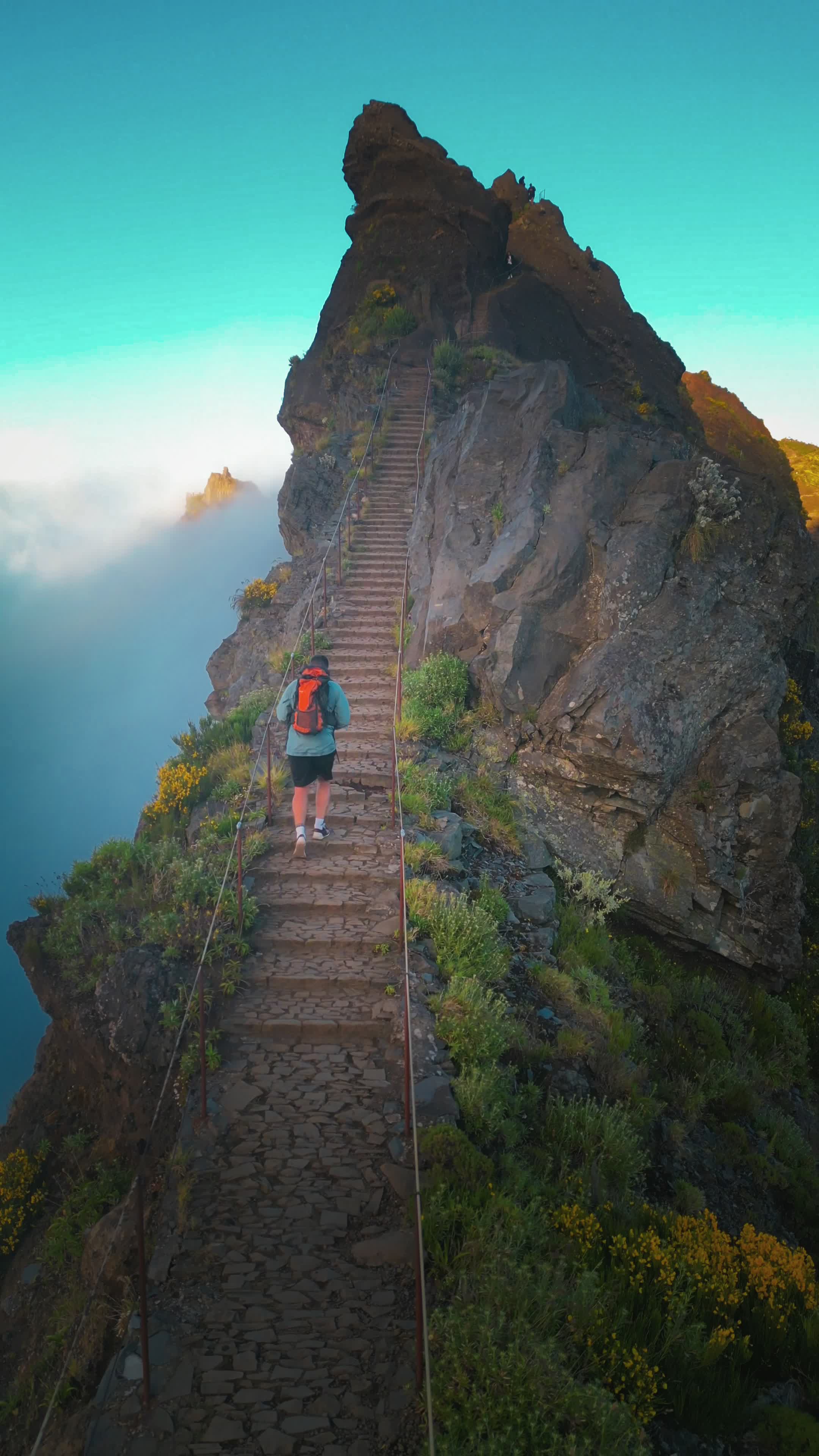
Secret Spot: Rocha do Navio Fajã (Hidden Route & Tidal Pools)
Quiet alternative to the famous cable car — hike into Madeira’s wild coastal sanctuary
Rocha do Navio is best known for its cable car descending 330 meters to a remote fajã on the north coast near Santana. But few realize there’s also a hidden hiking trail that zigzags steeply down the cliffs — an old fisherman’s route carved into volcanic rock.
The trail is rough, partly overgrown, and far quieter than the cable car approach. At the bottom, you reach tidal pools and abandoned farmland where life seems frozen in time: crumbling stone huts, wild taro plants, and Atlantic waves smashing against lava walls. It’s like stepping into a forgotten chapter of Madeira’s past.
Why it’s special
Secret fisherman’s trail — far fewer visitors than the cable car.
Raw Atlantic vibes — volcanic pools, towering cliffs, seabirds overhead.
Historic fajã — old agricultural terraces and stone shelters still visible.
Trail Details
Distance: 2–3 km return
Duration: ~1.5–2 hours round trip
Elevation gain: 300 m
Difficulty: Moderate (steep, uneven, occasional loose rock)
Insider tips
Avoid in rain — path can be slippery and exposed.
Bring snacks and water — no facilities at the fajã.
Best time: morning for soft light; afternoons get harsher sun on the cliffs.
Combine with a ride up by cable car for a fun loop experience.
How to get there
Park at Rocha do Navio viewpoint (Santana).
Instead of using the cable car, look for the narrow path heading down the cliffs (unmarked — use Maps.me).
Combine with
Santana traditional houses & market — culture stop before or after.
Miradouro do Cortado — nearby cliff viewpoint.
Quinta do Furão — iconic restaurant + wine terrace overlooking the same cliffs.
For those who want more context…
"‘Rocha do Navio’ means ‘Ship’s Rock’ — named after a Dutch shipwreck that sank here in the 19th century. The tidal platform (fajã) below was once intensively farmed; locals grew yams, beans, and vines, taking harvests up the cliffs by foot long before the cable car existed. Today, only ruins and a few weekend fishing huts remain — but the silence and raw beauty tell a story of Madeira’s isolated coastal communities