




 Hike
Hike
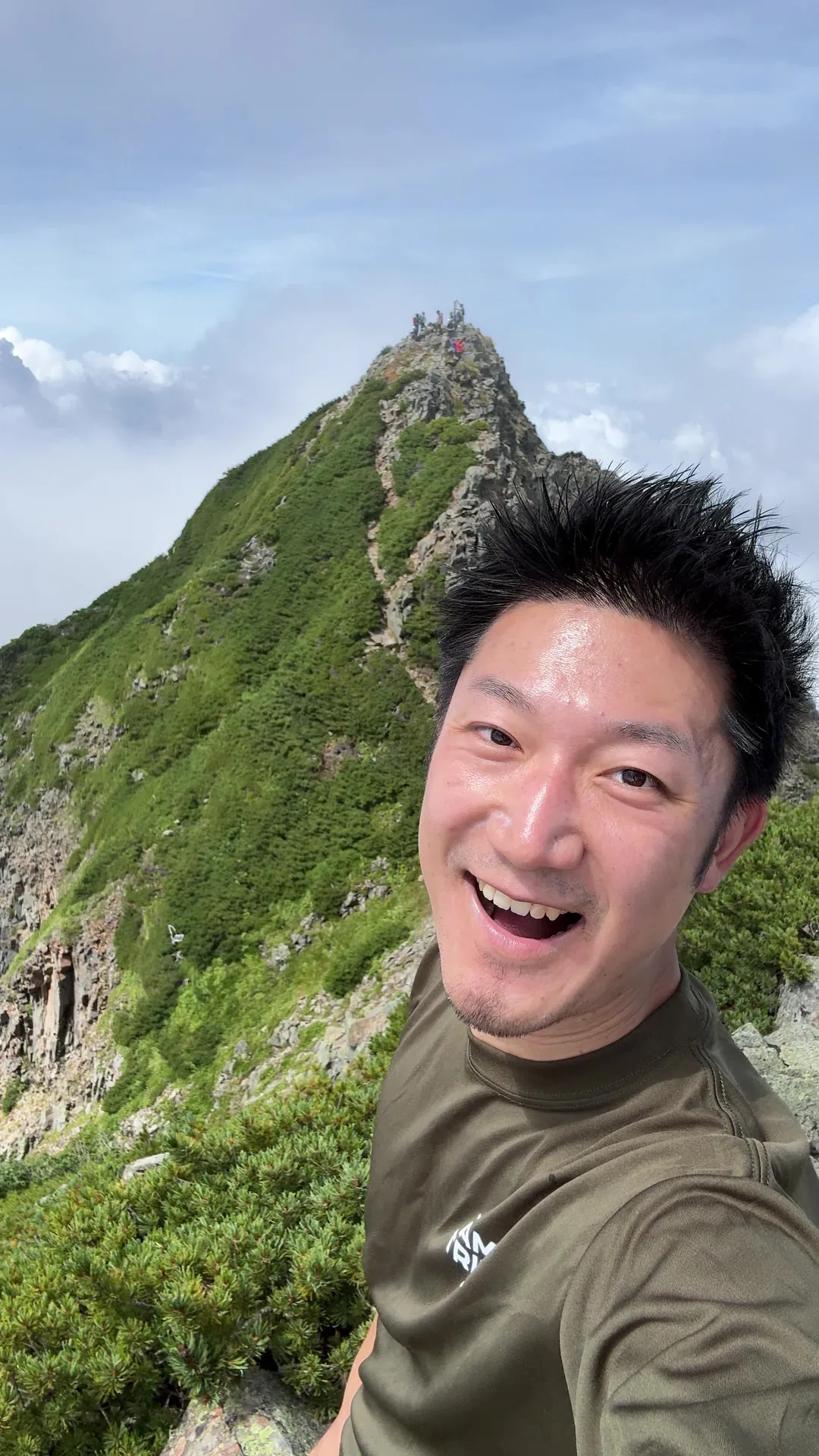
Nishihotakadake is one of the most accessible peaks in the Northern Japanese Alps, famous for its rugged ridge and commanding views over the Hotaka range. Starting from the Shinhotaka Ropeway, the trail climbs quickly above treeline, making it a relatively short but thrilling alpine adventure.
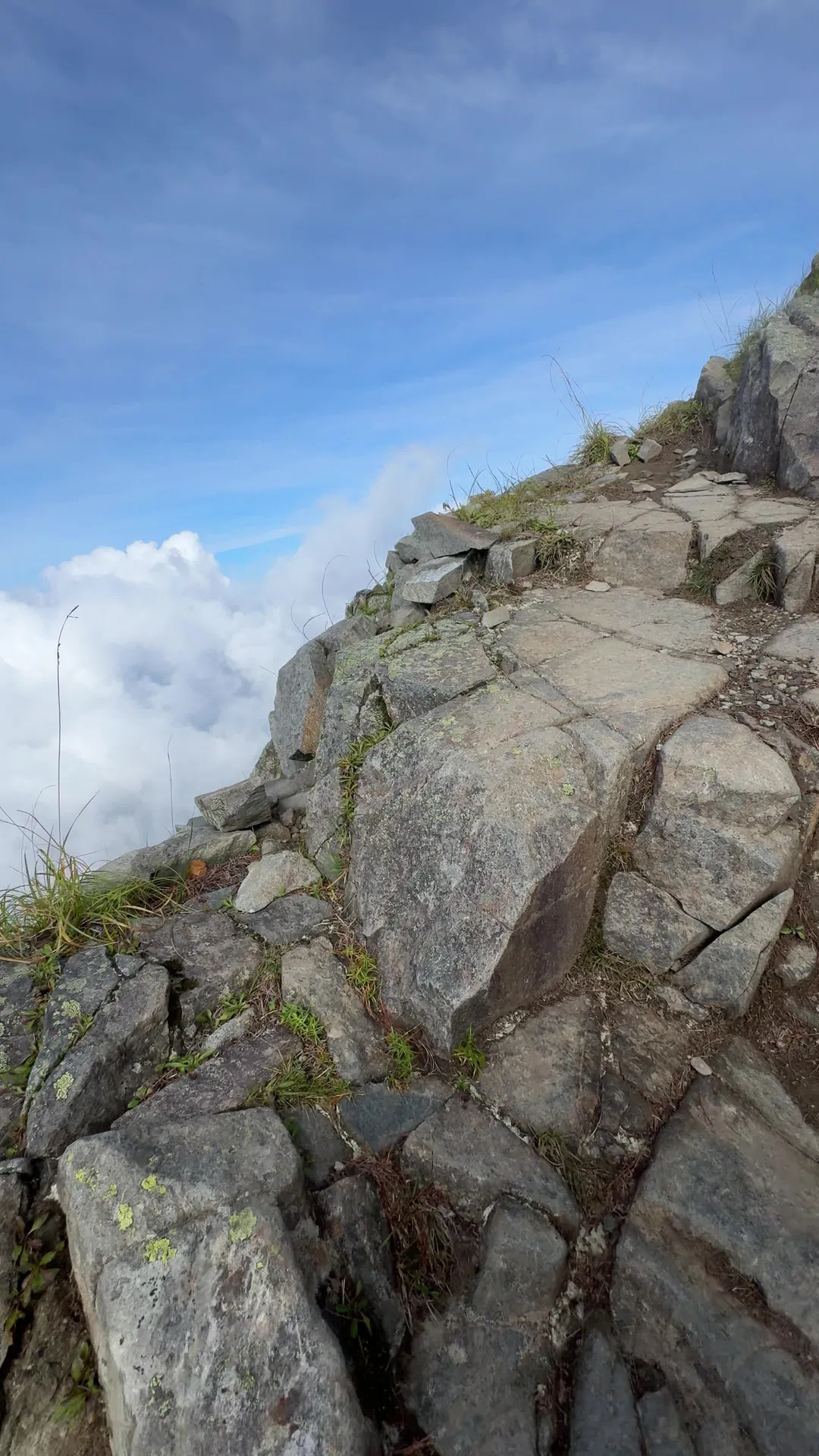
I’ve hiked this route several times, and it’s a bit on the difficult side with a lot of thrill with chains and scrambling sections. You need to be confident with hands-on climbing if you’re aiming for the true summit.
Start/End: Shinhotaka Ropeway (Nishihotakaguchi Station)
Duration: 6 hours round trip
Distance (round-trip): 10 km
Elevation Gain: 1,500 m (from ropeway station to summit)
Best Season: July–October (snow remains well into June; from November to May, it’s full winter conditions)
The first section from the ropeway top station to Nishiho Hut is a well-maintained trail, about 75 minutes. Many people stay here overnight, especially if planning an early morning summit push. From the hut, it’s another 3–4 hours to the summit of Nishihotakadake, depending on conditions and fitness.
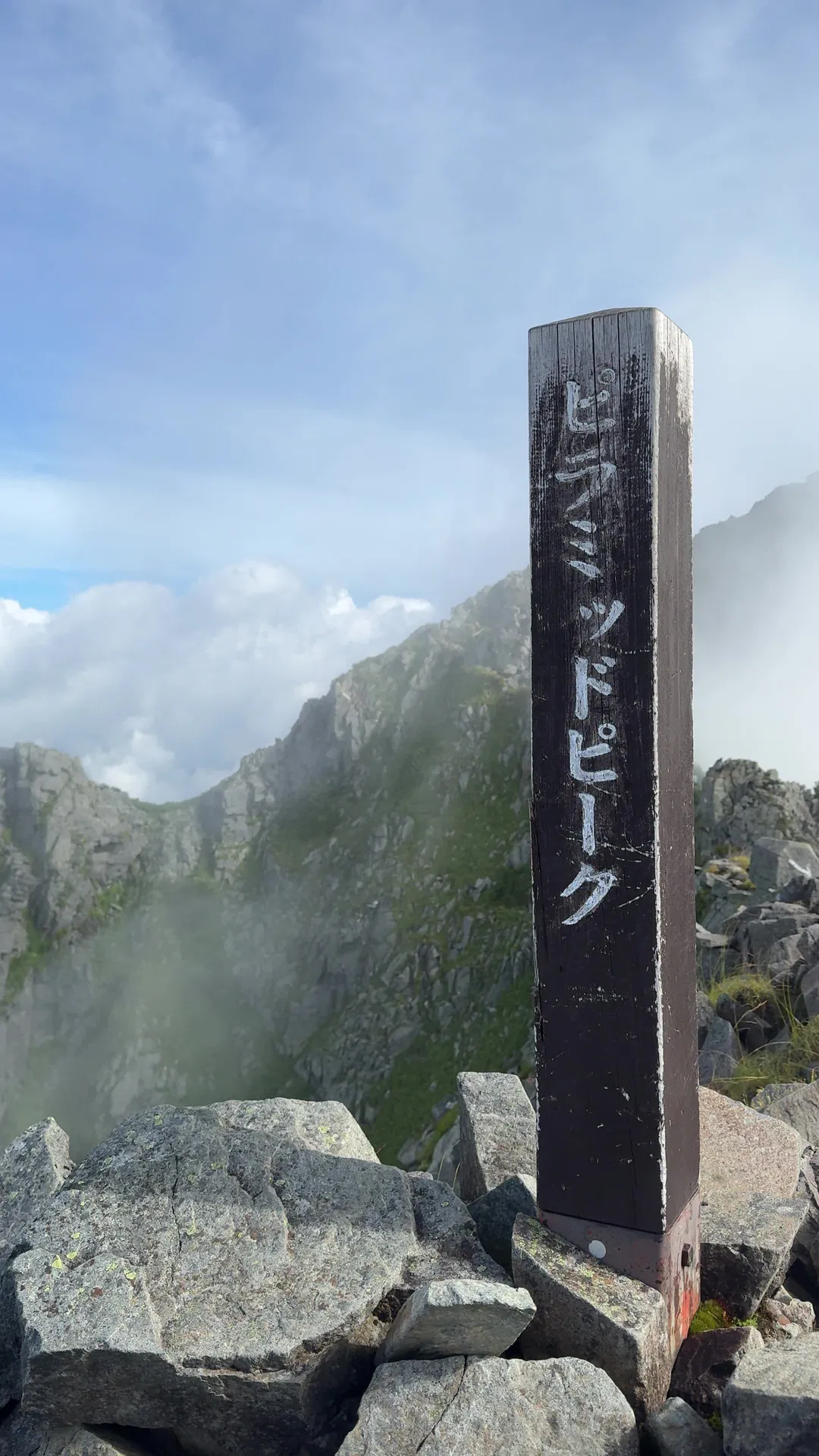
The trail to Nishiho Maruyama is straightforward, with panoramic views that already make a great turnaround point for casual hikers. Beyond that, the terrain becomes a true alpine ridge—narrow paths, scrambling, and chain-assisted sections all the way to the summit. On a clear day, the views of Mt. Okuhotaka, Yarigatake, and the Northern Alps ridgeline are incredible.
Mountain Huts: Nishiho Hut is the main base, offering futons, meals, and bento lunches. Booking ahead is essential on weekends and holidays.
Crowds: While not as crowded as Kamikochi’s Karasawa Cirque, weekends still bring plenty of hikers. Staying overnight at the hut and starting early helps avoid congestion on the ridge.
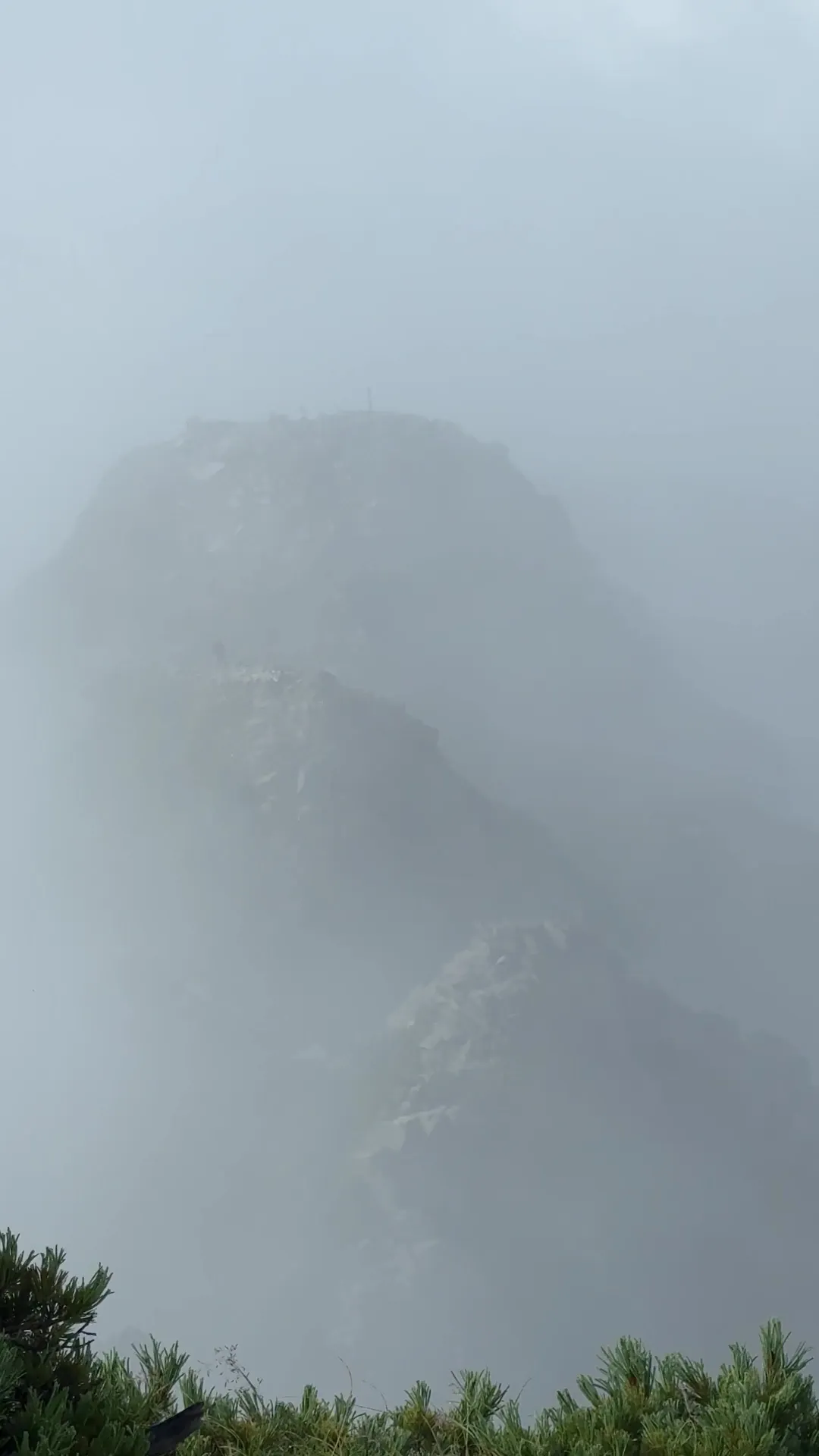
Weather: Afternoon thunderstorms are common in summer, and snow can linger into early July. In bad weather, the ridge to the summit is dangerous—don’t push it.
Gear: Sturdy hiking boots are a must. Gloves are helpful for chain sections. For the hut approach and Maruyama, trail runners are fine, but if you’re going for the summit, you’ll want proper alpine gear. Always carry layers—temperatures drop quickly above 2,500 m.


