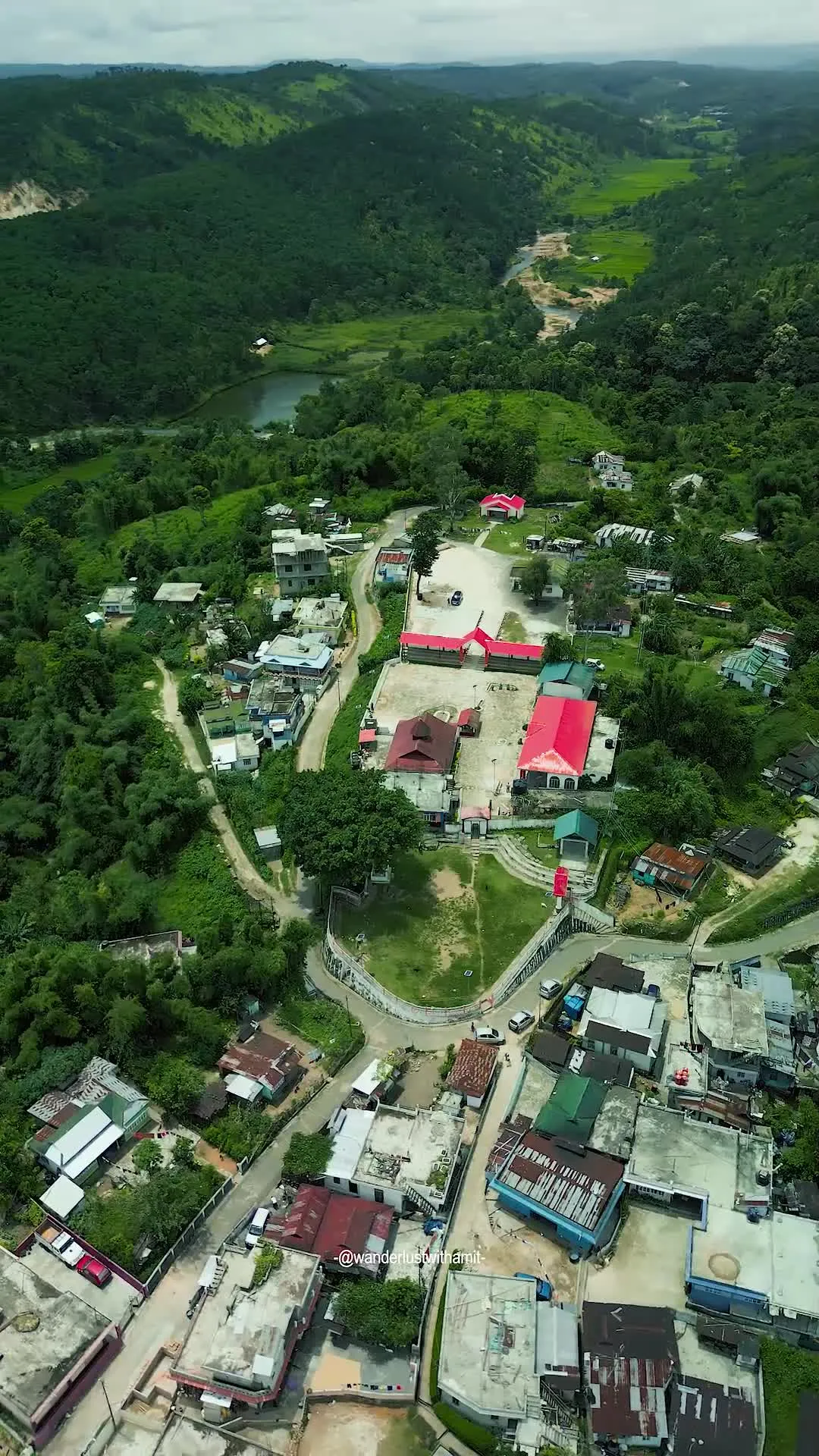
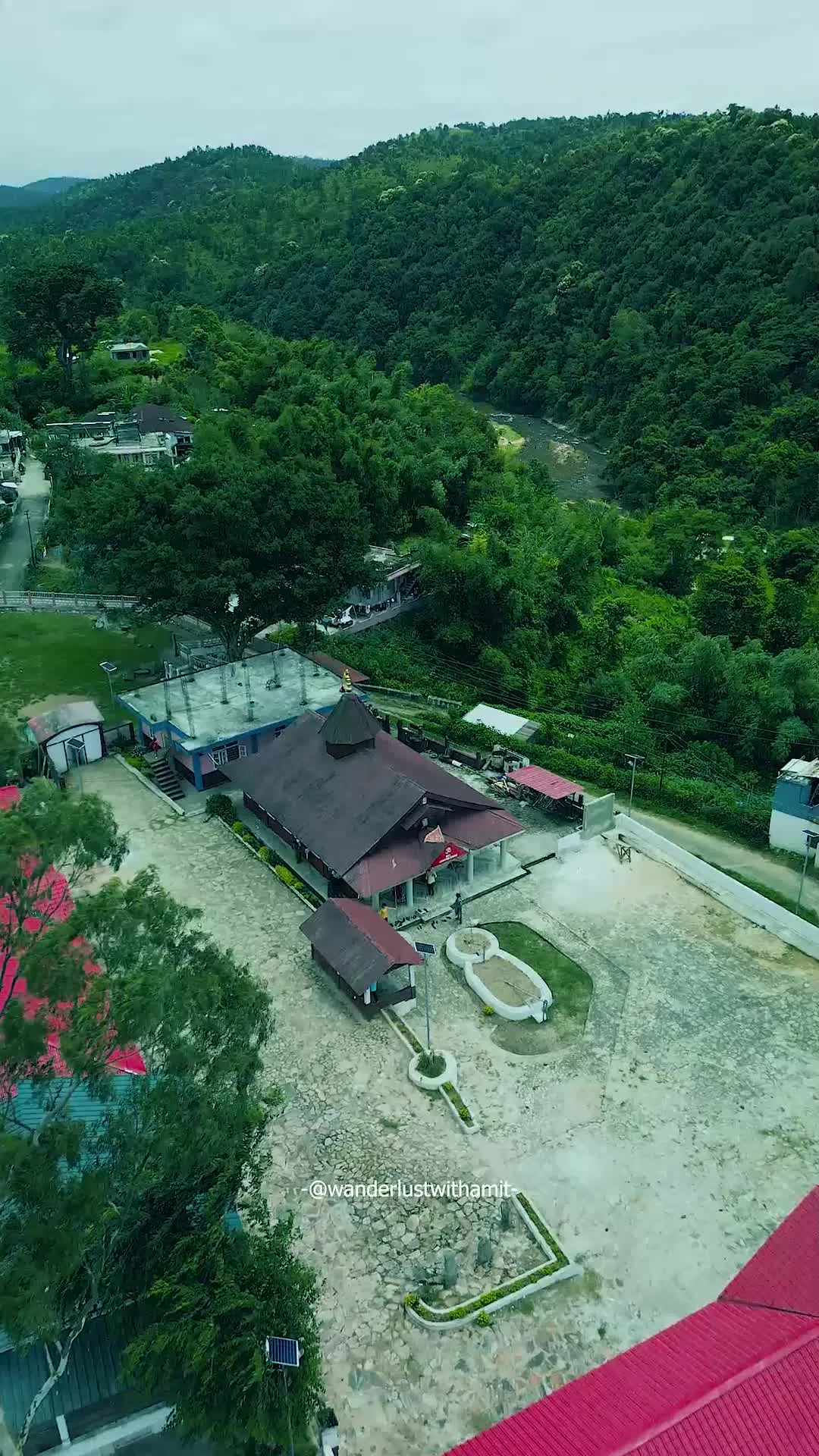
Tucked away in the quiet hills of Nartiang village in West Jaintia Hills, the Shri Nartiang Durga Temple is one of Meghalaya’s most significant Hindu religious sites. What makes it truly unique is that it is considered a Shakti Peeth, one of the revered 51 sites where parts of the goddess Sati are believed to have fallen according to Hindu mythology. This temple holds deep historical and spiritual importance.
How to Get There
The temple is located about 65 km from Shillong and around 24 km from Jowai, making it easily accessible by road. You can hire a cab or drive via NH6. The roads are generally in good condition, and the temple lies close to the Nartiang Monolith Park, so many visitors see both in one trip. Once you reach Nartiang village, the temple is a short walk from the main road and well-marked.
What to Expect
A small, stone-built temple, simple in structure but rich in heritage
A peaceful atmosphere, often with light incense and chants
A stone idol of Goddess Durga, worshipped in the form of Shakti
A small Shiva linga, symbolizing the divine masculine energy
A blend of Hindu and traditional Khasi-Jaintia rituals—especially noticeable during Durga Puja
Stories and legends shared by locals or temple caretakers about the Jaintia kings and their devotion
For the Curious
According to legend, Sati’s left thigh fell at this spot, making it one of the sacred Shakti Peethas. The temple was once patronized by the Jaintia Kings, who had adopted Hinduism during their reign. During Durga Puja, the temple becomes a hub of devotion, drawing priests from across Assam and Bengal, though tribal customs like animal sacrifice were traditionally practiced here as well. The blending of indigenous faith and Hindu beliefs makes this site a fascinating cultural landmark in Meghalaya’s diverse religious landscape.
Good to Know
📍 Location: Nartiang, West Jaintia Hills
🛕 Religious Significance: Shakti Peeth (believed to be where Sati’s thigh fell)
🎉 Major Festival: Durga Puja (usually celebrated with rituals and local involvement)
📅 Best Time to Visit: October (for Durga Puja), or November–March for cool weather
🧭 Entry: Free, but donations welcome
🙏🏼 Respect: Modest clothing and quiet conduct encouraged inside the premises
🌿 Nearby Attractions: Nartiang Monoliths are just a short walk away
📷 Photography: Allowed outside; inside only if permitted by the priest
🧒🏽 Family-Friendly: Yes, quiet and peaceful setting